When the Aid Crisis Reached Sport for Development
While the business off sport soars , sport for development funding is in decline, what next for the sector?
By Nick Sore
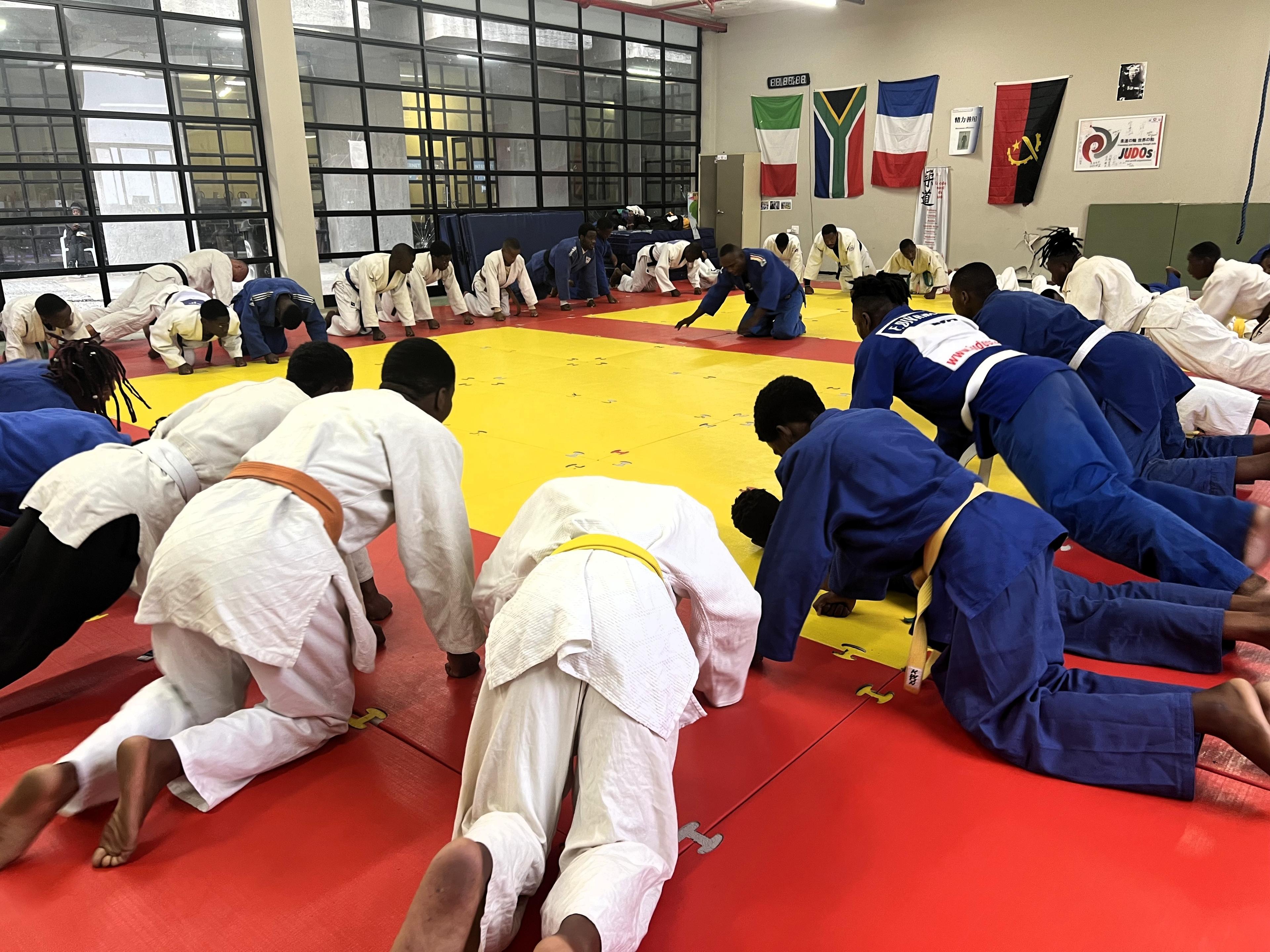
For thirty years, Sport for Development has grown on grants from aid agencies, foundations and the sport movement's own philanthropy, handed out in short cycles to many small organisations chasing a pot that never kept up. In 2025, that model broke and is unlikely to return, and I don't know how many organisations know how exposed the sector is.
Two economies of sport
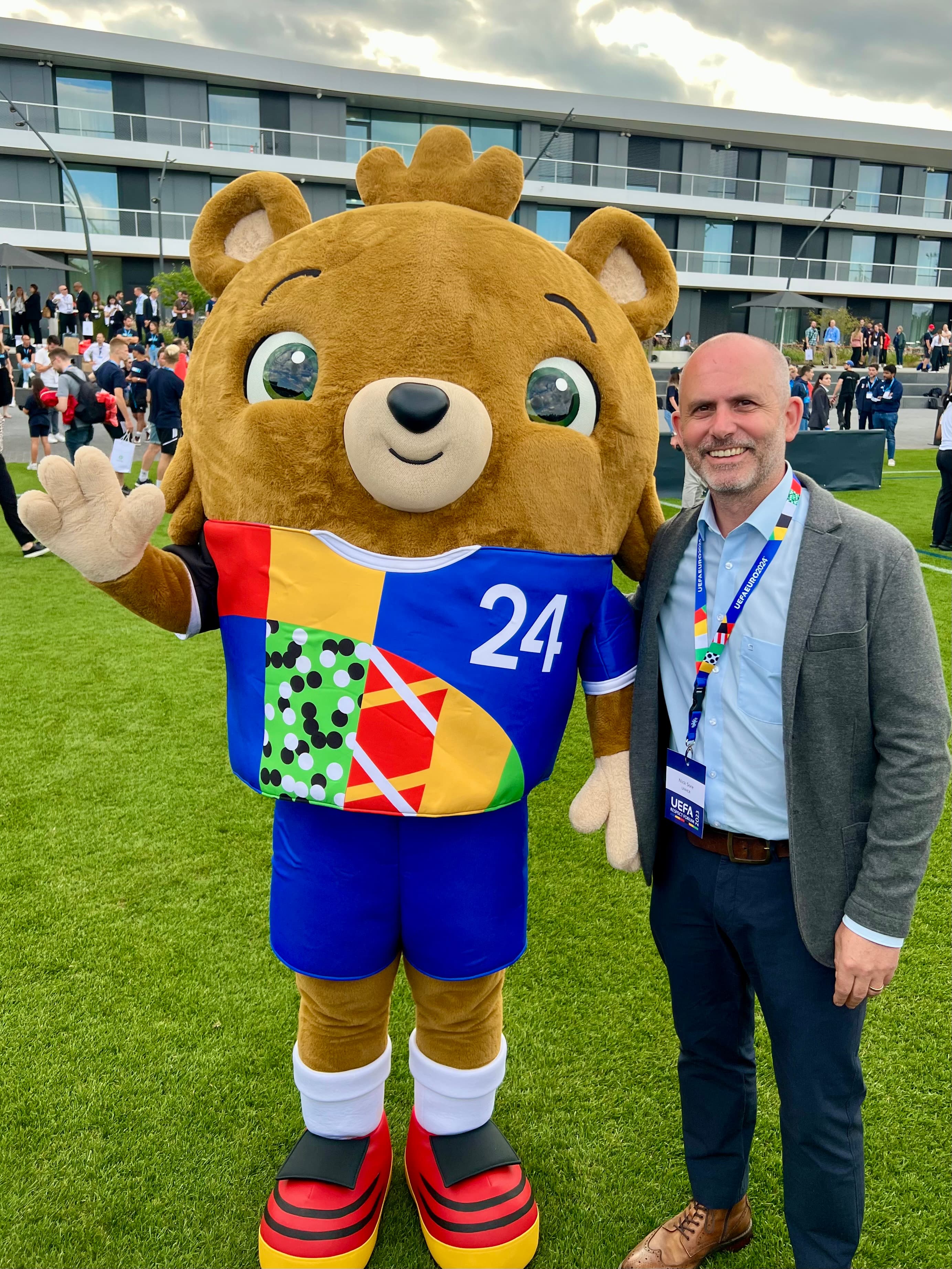
Here's the bit for me that's the most challenging. While funding for sport for development has been shrinking, money for sport itself has never been greater. In March, FIFA approved a record USD 14 billion revenue budget for 2027–2030, with its Forward development programme rising to USD 2.7 billion. The IOC's Olympic Solidarity programme is at a record USD 650 million for 2025–2028, and UEFA has committed €1 billion to women's football. This summer's World Cup was the first with 48 teams.
Most of that money is for the development of sport: growing a game, an audience, a product. It goes where the sport can grow, not where the need is greatest. Sport for development is about reaching people and places the game wouldn't reach on its own. The two overlap, but they aren't the same, and right now one is booming while the other is in retreat.
It started somewhere else
The shock didn't begin in sport. In March 2025 the US dismantled USAID and cancelled 83% of its programmes in one go. The UK is cutting aid to 0.3% of national income by 2027, and Germany, France and the Netherlands followed. In the end, aid from OECD donors fell by 23.1% in real terms in 2025, the largest drop on record, and it is expected to fall again this year. sportanddev called it "the most pronounced, painful and profound in living memory". Hard to disagree.
Humanitarian response, global health and refugee protection took the first hit. Then came everything those programmes were quietly carrying. That's where sport for development comes in.
Two reasons, I think. First, sport for development has no code in official development assistance statistics, so nobody can count it, or defend it when budgets are cut. Second, most of our money is really other people's money. Sport sits inside youth, health, education and refugee programmes, and when the host programme goes, we go with it, without ever making a headline.
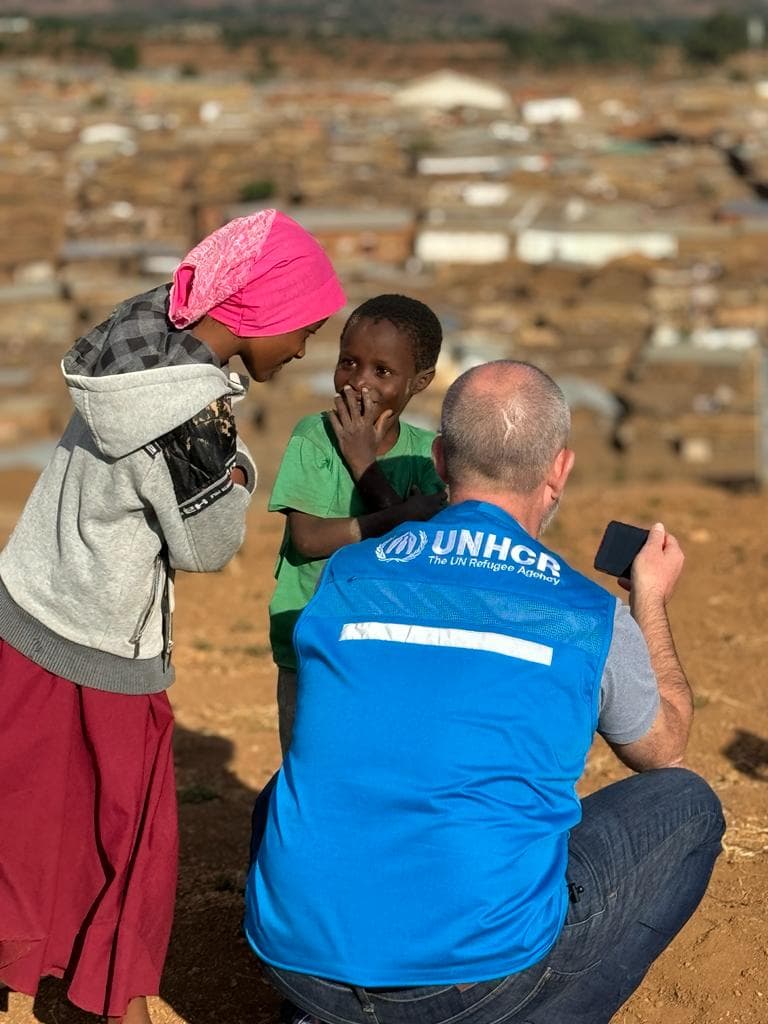
The effects were real. UNHCR scaled back its sport-for-protection work, sportanddev lost its own USAID partnership, and grassroots programmes in Uganda and Haiti closed. As sportanddev's Ben Sanders put it, this is harder than COVID, because this time the money isn't coming back.
But 2025 didn't create the fragility. It exposed it: too much reliance on one or two funders, too little investment in our own organisations, and too many decisions made in the North for work delivered in the South.
The questions I keep coming back to
- If international development assistance isn't paying, who will? Health systems, schools, employment services, local councils?
- Will the federations' and Olympic movement's money ever fund development through sport, or only the development of sport?
- How does sport for development get seen in the rooms where budgets are decided?
- Is our evidence written for people who might actually pay, or just to keep current funders happy?
- Is this a chance to shift power to locally led organisations, or will the North simply step back?
What might need to change
I don't have neat answers, but a few things seem clear. No organisation should rely on one funder for most of its income. Funders who stay should back organisations, not just activities, and for longer. We need to measure what a buyer would care about. And we probably need fewer, stronger organisations working more closely together.
And the sport economy has a part to play. If even a small, ring-fenced share of those record budgets went to development through sport, decided together with the organisations doing the work, it would change the picture. Is that too much to ask of a game that likes to talk about its social purpose?
Some of this is already happening. Groups in Indonesia are training young people to run programmes themselves, and voices across Africa are making the case for locally owned funding and for sport built into national health and education plans.
The grant era is significantly changing and the question for me is whether we shape what comes next, or wait to find out.
Sources
- sportanddev, Call for articles: The global aid crisis and sport for development (June 2025)
- Dr Ben Sanders, Play fair: Sport for development and the global aid crisis, sportanddev (May 2025)
- Leading sportanddev through global challenges: An interview with Dr Ben Sanders, sportanddev (December 2025)
- Keith Nyereyemhuka, The global aid crisis: Reinventing sport for development in an era of scarcity, sportanddev (June 2025)
- Ioanna Maria Kantartzi, Sport for development in crisis: Revisiting old ideals in an era of political volatility, sportanddev (June 2025)
- Richard Wanjohi, Decolonizing development: Reimagining sport for development financing and impact, sportanddev (June 2025)
- Rin Aulia, When aid shrinks, the field expands: Sport for development in Indonesia, sportanddev (December 2025)
- Artur J. Santos, Portugal, PALOP and the global aid crisis, sportanddev (July 2025)
- OECD, International aid fell sharply in 2025 (April 2026)
- FIFA, Council approves record revenue budget for 2027–2030 (March 2026)